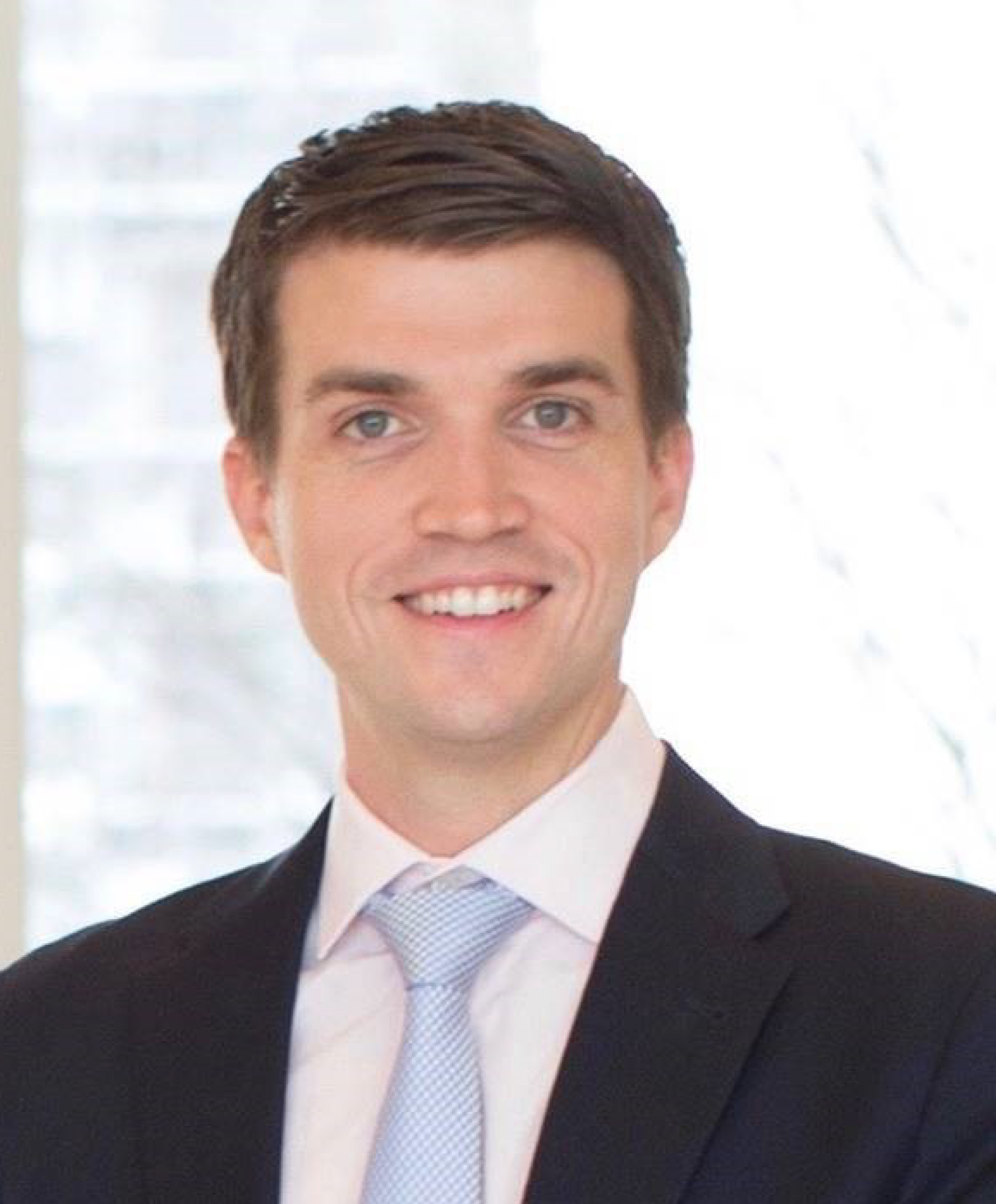
Marc Harrison, M.D., president and CEO of Intermountain Healthcare, is a pediatric critical care physician and recognized national and international leader in healthcare transformation. His leadership has placed him on Fortune’s Top 50 World’s Greatest Leaders in 2019 and regularly on Modern Healthcare’s Most Influential People in Healthcare.
Dr. Harrison leads Intermountain’s 59,000 employees—called caregivers—to reimagine operations and ways to keep people and communities healthier. Together, their mission-driven approach fuels their vision to build a model health system that delivers the best and most equitable outcomes by providing high-quality, more affordable care that is accessible to everyone.
To support this, Dr. Harrison has embraced unconventional, public-private partnerships to confront some of the most pressing systemic challenges facing the communities and industry. Under his leadership, Intermountain partnered with 1,400 hospitals nationwide to launch Civica Rx, a nonprofit generic drug manufacturer and distributor, to make generic medications—to include insulin in 2024—more accessible and far more affordable. Intermountain is also a founding member of the Utah Alliance for the Determinants of Health, which is a collaboration of community partners proactively addressing forces that affect people’s health often before they get sick. Also, Intermountain is partnering with an international genomics leader and more than 100,000 volunteers to advance medical breakthroughs that will help prevent and treat genetic diseases for people around the globe.
In Dr. Harrison’s first five years leading Intermountain, the company’s primary service area grew from focusing mainly on Utah communities to serving people throughout the Mountain West through a disciplined growth strategy and significant investments in telehealth and rural health. His leadership style has helped make Intermountain a magnet for healthcare innovation. This includes spurring new partnerships leading the national movement toward value-based care, advancing clinical education, and establishing a new Digital Hippocratic Oath to improve hospital data interoperability and secure patient privacy rights.
On his popular podcast, A Healthier Future, Dr. Harrison interviews leaders from an array of industries and backgrounds to explore how we can work together to improve health. He is among the most influential healthcare leaders on LinkedIn (320,000 followers)—regularly engaging in conversations about his team, health innovation, family, and leadership.
Before leading Intermountain, Dr. Harrison served as CEO of Cleveland Clinic Abu Dhabi, chief of international business development at Cleveland Clinic, and chief medical operations officer at Cleveland Clinic. He received his undergraduate degree from Haverford College, his medical degree from Dartmouth Medical School, completed a pediatric residency and pediatric critical care fellowship at Intermountain’s Primary Children’s Hospital, and a Master of Medical Management at Carnegie Mellon University.
Dr. Harrison is an all-American triathlete and represented the U.S. at the 2014 World Championships. He is also a two-time cancer survivor, with his sights currently on completing an Ironman. He is also a loving husband and proud father of three adult children.


 Purchasers
 Providers |
  Policy Makers |
  Enabling Organizations |
  Community-Based Organizations
 Providers |























 Emily DuHamel Brower, M.B.A., is senior vice president of clinical integration and physician services for Trinity Health. Emphasizing clinical integration and payment model transformation, Ms. Brower provides strategic direction related to the evolving accountable healthcare environment with strong results. Her team is currently accountable for $10.4B of medical expense for 1.6M lives in Medicare Accountable Care Organizations (ACOs), Medicare Advantage, and Medicaid and Commercial Alternative Payment Models.
 Victor is the Chief Medical Officer for TennCare, Tennessee’s Medicaid Agency. At TennCare, Victor leads the medical office to ensure quality and effective delivery of medical, pharmacy, and dental services to its members. He also leads TennCare’s opioid epidemic strategy, social determinants of health, and practice transformation initiatives across the agency. Prior to joining TennCare, Victor worked at Evolent Health supporting value-based population health care delivery. In 2013, Victor served as a White House Fellow to the Secretary of Health and Human Services. Victor completed his Internal Medicine Residency at Emory University still practices clinically as an internist in the Veteran’s Affairs Health System.
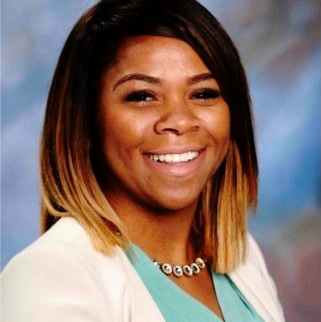 Tamara Ward is the SVP of Insurance Business Operations at Oscar Health, where she leads the National Network Contracting Strategy and Market Expansion & Readiness. Prior to Oscar she served as VP of Managed Care & Network Operations at TriHealth in Southwest Ohio. With over 15 years of progressive health care experience, she has been instrumental driving collaborative payer provider strategies, improving insurance operations, and building high value networks through her various roles with UHC and other large provider health systems. Her breadth and depth of experience and interest-based approach has allowed her to have success solving some of the most complex issues our industry faces today. Tam is passionate about driving change for marginalized communities, developing Oscar’s Culturally Competent Care Program- reducing healthcare disparities and improving access for the underserved population. Tamara holds a B.A. from the University of Cincinnati’s and M.B.A from Miami University.
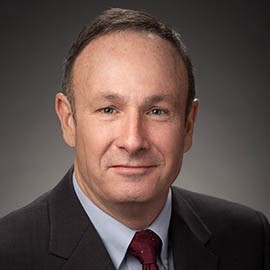 Dr. Peter Walsh joined the Colorado Department of Health Care Policy and Financing as the Chief Medical Officer on December 1, 2020. Prior to joining HCPF, Dr. Walsh served as a Hospital Field Representative/Surveyor at the Joint Commission, headquartered in Oakbrook Terrace, Illinois.